Why It Matters
The skills gap is no longer a future risk. It is a present reality. McKinsey Global Institute research shows that 87% of companies worldwide are already experiencing skills gaps or expect to within the next few years. The World Economic Forum's Future of Jobs Report 2025 projects that 39% of workers' key skills will change by 2030. For 63% of employers surveyed, skill gaps represent the single biggest barrier to business transformation.
What Is Driving It
Three forces are accelerating the skills gap simultaneously. First, technology adoption (particularly AI) is creating demand for skills that did not exist five years ago. Second, the pace of change means that skills have a shorter shelf life, so continuous development is required rather than one-time training. Third, demographic shifts and changing workforce expectations mean that organizations cannot simply hire their way out of gaps.
What Organizations Are Doing
According to the WEF, 85% of employers plan to prioritize upskilling their existing workforce. The shift from credentials-based hiring to skills-based hiring is gaining traction, with organizations assessing what people can do rather than what degrees they hold. The most effective approaches combine formal learning with applied practice, ensuring new skills transfer to actual work.
- Map current skills against strategic needs to identify specific gaps
- Prioritize building skills through applied practice, not just content delivery
- Treat skill development as ongoing infrastructure, not a one-time initiative
- Shift hiring criteria toward demonstrated capabilities rather than credentials alone
Sources
McKinsey Global Institute, workforce skills research. World Economic Forum, The Future of Jobs Report 2025.
Related Concepts
Skills-Based Organization
A skills-based organization manages work and workers based on skills and capabilities rather than fixed job titles and hierarchical roles. It enables greater agility, more equitable talent decisions, and faster redeployment of people to where they create the most value.
Capability Development
Capability development is the systematic process of building practical, transferable professional skills through applied practice and feedback rather than passive content consumption. It focuses on what people can do, not what they know.
Reskilling Revolution
The Reskilling Revolution is a World Economic Forum initiative launched in 2020 with the goal of providing better education, new skills, and better work to one billion people by 2030. It represents the global recognition that workforce skills must be rebuilt at scale to match the pace of economic and technological change.
Further Reading

McKinsey’s Reskilling Research: Why 87% of Companies Face a Skills Gap
McKinsey found 87% of companies have or expect a skills gap. When nearly nine in ten say the same thing, the problem is

World Economic Forum’s Future of Jobs: The Skills That Will Define the Next Five Years
The World Economic Forum projects 44% of core skills will change within five years. Not a claim about automation, but ab
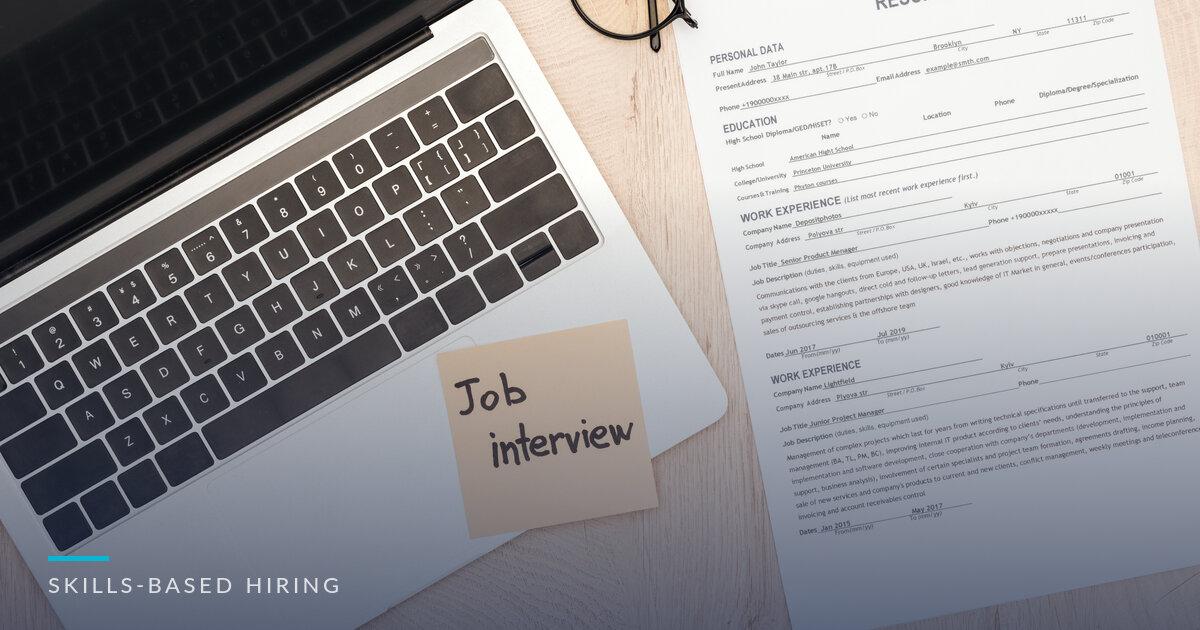
Skills-Based Hiring in 2026: What the Data Actually Supports
Skills-based hiring is growing, but adoption is uneven and often performative. Here is what the data actually supports,