Why It Matters
Without a defined rhythm, teams operate reactively. Work gets done based on whoever is loudest, and progress depends on heroic individual effort rather than systematic execution. An execution rhythm creates predictability: everyone knows when plans are set, when progress is reviewed, and when adjustments happen.
How It Works
A typical execution rhythm includes a weekly planning moment (what are we committing to this week?), daily or async check-ins (what is blocked?), a weekly review (what did we deliver and what slipped?), and a periodic retrospective (what should we change about how we work?). The specific cadence varies by team, but the principle is consistent: make the cycle explicit and follow it.
What Good Looks Like
A strong execution rhythm has three properties. First, it is lightweight: the overhead of running the rhythm should be small relative to the execution time it protects. Second, it is visible: commitments and progress are documented, not just discussed. Third, it is followed: the rhythm happens even when things are busy, because that is when it matters most.
- Weekly commitments are written down and reviewed, not just discussed
- Blockers surface within 24 hours, not at the next scheduled meeting
- Priorities are explicitly reprioritized when new work arrives, not silently deferred
Related Concepts
Team Operating System
A team operating system is the set of processes, communication habits, decision frameworks, and accountability structures that determine how work moves through an organization. It is the infrastructure that turns individual effort into coordinated execution.
Accountability System
An accountability system is the set of structures that make commitments visible, track follow-through, and create consequences for delivery. It replaces reliance on trust or memory with operational transparency.
Priority Framework
A priority framework is a shared, explicit method for deciding what work matters most when everything feels urgent. It replaces subjective judgment calls with consistent criteria that the whole team can apply.
Further Reading

The Execution Rhythm for Cross-Functional Launches
Cross-functional launches fail not from lack of effort but from missing rhythm. A repeatable weekly cadence keeps every
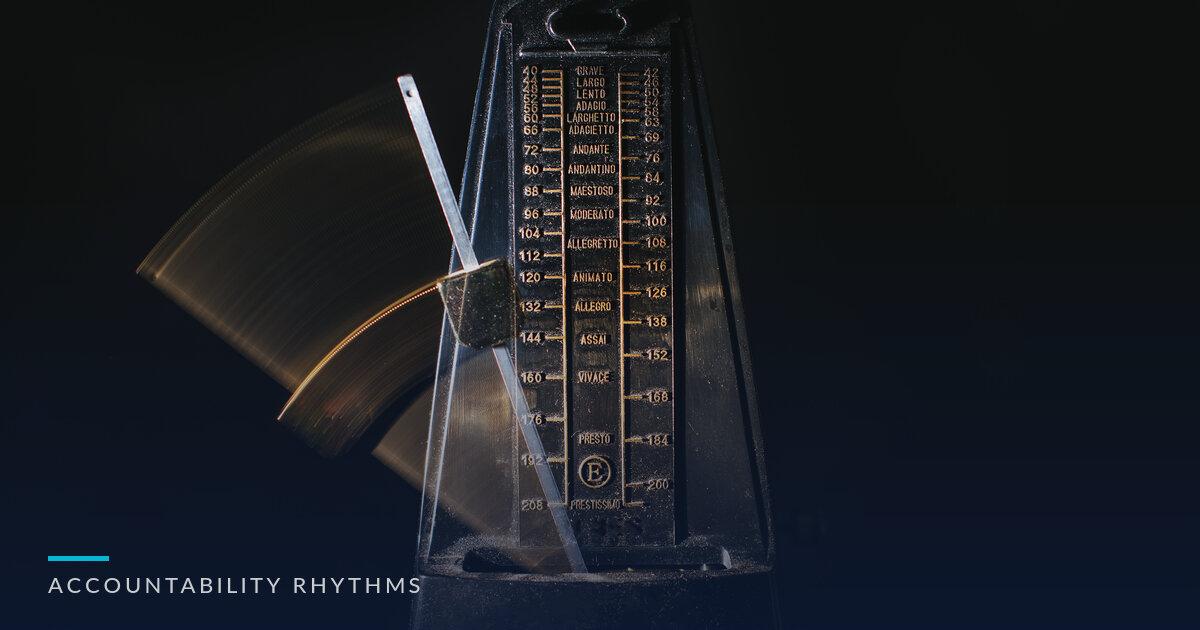
Accountability Without Micromanaging: A Weekly Rhythm
Micromanaging kills trust; loose oversight kills results. A lightweight weekly rhythm gives distributed teams accountabi

The 30-Minute Meeting Audit That Buys Your Team Five Hours a Week
Most teams spend 15+ hours a week in meetings that produce no decisions. A simple 30-minute audit using a Keep/Shrink/Ki